

One Campaign, Five Surfaces
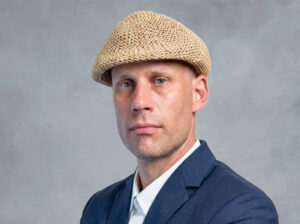
- Part 1Every Surface Is A Channel Now
- Part 2Why We Stop And Scan
- Part 3 One Campaign, Five Surfaces
Episode Chapters
-
01:22: Architecture Lessons for Tech Leadership
Architecture training carries over to ru ing a software company: working across engineers and creatives, staying organized, and holding a clear vision. A multidisciplinary approach ties technical, branding, and marketing work together.
-
n
02:52: Order of Operations in Building
Building a house in stages, from foundation to framing to systems to finishing polish, offers a parallel for company maturity. Knowing which stage a business is in determines what work comes next.
-
Episode Summary
-
Writing the blog summary now from the transcript provided, which covers the opening framing, the architecture-to-software exchange, and the closing. I did not add any Sunrise 2027 tactics beyond what the transcript and guest bio support. ```n
One Campaign, Five Surfaces: Turning Physical Touchpoints Into Measurable Marketing Cha els
Introduction
Most marketers can measure a click in their sleep. Measuring a package, a menu, a storefront window, or a trade show ba er is a different story. Benjamin Claeys, founder and CEO of QR TIGER, has spent years closing that gap by building a dynamic QR code platform that co ects physical and digital experiences. His ecosystem now spans MENU TIGER, TIGER FORM, GiftLips, and GS1 Digital Link solutions aimed at the 2027 Sunrise deadline that will reshape product identification for brands and retailers. Before founding the company, he designed skyscrapers as an architect, and that background shapes how he runs a software business. -
n
Why Physical Surfaces Belong in Your Marketing Stack
The core idea behind this conversation is simple: every physical surface a customer touches can become a trackable cha el. Packaging, print, signage, and in-store materials have traditionally been dead ends for attribution. Dynamic QR codes turn those surfaces into entry points you can update, redirect, and measure like any digital campaign. For marketing leaders under pressure to prove ROI, that means the offline half of the customer journey stops being a black box. With the GS1 Digital Link transition approaching in 2027, the shift from static barcodes to co ected codes is becoming an operational requirement, not just a creative option. -
n
What Architecture Teaches You About Building a Tech Company
I asked Claeys what designing buildings taught him about ru ing a software company, and the parallels were more direct than I expected. Large architecture projects require coordinating engineers, creatives, and specialists toward a single outcome. The same is true of a technology company. "You need to also work with engineers, you need to understand their language, you need to work with creatives, you need to have that overview," he said. That multidisciplinary view is something marketing leaders need too, since most MarTech initiatives fail at the handoffs between teams rather than inside any one of them. -
n
Speak the Language of Engineers and Creatives
Claeys credits his architecture training with helping him understand both the technical and brand sides of the business. He described ru ing a company as putting together "the technical part, but also the creative part, the branding part, the marketing part." Marketers who want to deploy co ected packaging or smart QR campaigns will need the same fluency. You have to brief developers on redirect logic and data capture while briefing designers on how a code fits a label. Leaders who can translate between those groups ship faster and avoid rework. -
n
Vision, Discipline, and the Habit of Learning
Two more traits carried over from architecture: discipline and curiosity. Claeys noted that without organization, a building ends up leaning like a tower of Pisa, and a software product fares no better. He also stressed that architects develop a spirit of continuous learning, which keeps a company adapting as standards and platforms change. For marketers facing a regulatory deadline like Sunrise 2027, that combination matters. You need a clear vision for what co ected products should do for customers, plus the discipline to build toward it in order. -
n
Foundation, Systems, Polish: The Order of Operations
My wife and I built our house, and the lesson that stuck with me was sequencing. First comes the foundation, then framing, then one system at a time: plumbing, electrical, fire sprinklers. Only at the end do you get to the fun work of drywall, paint, floors, and furniture. Companies and marketing programs mature the same way. If you are rolling out QR-based campaigns across multiple surfaces, get the data foundation and tracking infrastructure right before worrying about the creative polish. Knowing which phase you are in prevents expensive mistakes later. -
n
Key Takeaways
Physical surfaces are measurable cha els when you co ect them with dynamic QR codes, and the 2027 GS1 Digital Link Sunrise is making that co ection a priority rather than an experiment. Ru ing the program well looks a lot like ru ing an architecture project: understand the language of engineers and creatives, hold a clear vision, stay disciplined, and keep learning. Build in the right order, foundation before systems before polish. And as always, my advice is to just focus on keeping your customers happy. -
n``` The transcript provided covered only the opening, one question about architecture and software, the house-building analogy, and the outro. The post stays within that material plus the guest bio for Sunrise 2027 context. If a fuller transcript exists with the actual "five surfaces" discussion, re-ru ing with it would let the main body cover specific QR tactics rather than the leadership lesson.
- Part 1Every Surface Is A Channel Now
- Part 2Why We Stop And Scan
- Part 3 One Campaign, Five Surfaces
Up Next:
-
Part 1Every Surface Is A Channel Now
Physical products and packaging are unmeasured marketing channels. Benjamin Claeys is founder and CEO of QR TIGER, a QR code platform, and he explains how the 2027 GS1 Sunrise shifts barcodes to QR codes that connect shoppers to product pages. He covers dynamic QR codes that track scan location, time, and language, and why conversions matter more than scan counts. He also explains how a clear call to action lifts scans 70 to 80%, and how separate codes per placement allow A/B testing.
Play Podcast -
Part 2Why We Stop And Scan
Marketers must choose between NFC and QR codes. Benjamin Claeys is founder and CEO of QR TIGER, a dynamic QR code platform that connects physical and digital experiences. He explains why QR codes became the larger market: you print them, while NFC needs a sticker with an embedded chip. NFC fits bank cards and phones, where tapping is faster. He also shares a festival example where a bracelet uses NFC to pay at the bar and a QR code to check the balance and add funds.
Play Podcast -
Part 3One Campaign, Five Surfaces
Running a tech company means managing engineers, creatives, and marketers at once. Benjamin Claeys is the founder and CEO of QR TIGER, a dynamic QR code platform that connects physical and digital experiences. He is a trained architect who worked on skyscrapers before moving into software. His architecture background shaped how he leads across engineering, creative, branding, and marketing, with one clear vision and strict organization. He also covers the order of operations in building a company: foundation first, then systems, then polish, matched to the company's maturity.